
What is Linear IgA Disease?
Linear Immunoglobulin A (IgA) Disease / Dermatosis is a rare blistering disorder, an auto immune sub-epidermal vesiculo-bullous disease that may be idiopathic or drug-induced. The clinical presentation is heterogeneous and appears similar to other blistering diseases, such as bullous pemphigoid and dermatitis herpetiformis.
It is nearly identical to a similar condition that affects children, chronic bullous disease of childhood. Chronic bullous disease of childhood usually presents before puberty with an abrupt onset of blistering in the genital region, later affecting hands, feet and face.
In adults with linear IgA disease, the limbs are more often the first sites, although any area of the body may be affected later.
Studded with small blisters (vesicles) or large ones (bullæ), often target-shaped. The tendency for new blisters to arise in a ring around an old one is called the string of beads sign and groups of small blisters may be described as a cluster of jewels. Crusts, scratch-marks, sores and ulcers may arise.
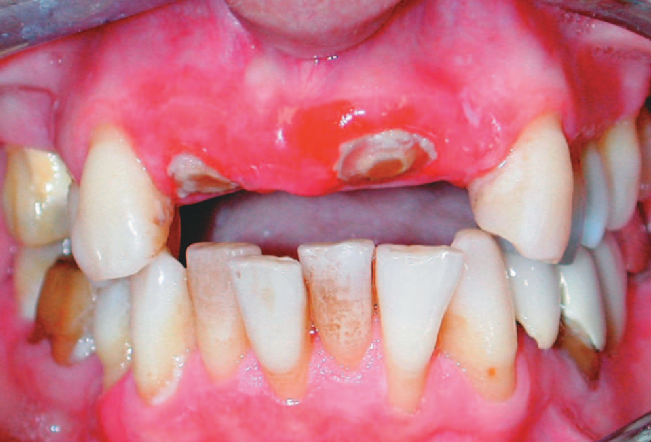
The intensity of itching is variable. Blisters and ulceration on the lips and inside the mouth affect about 50%. Eye involvement may result in irritation, dryness, light sensitivity, blurred vision, corneal scarring and even blindness.
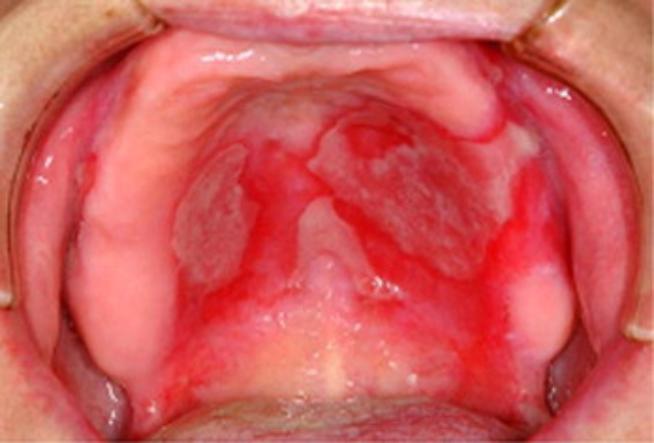
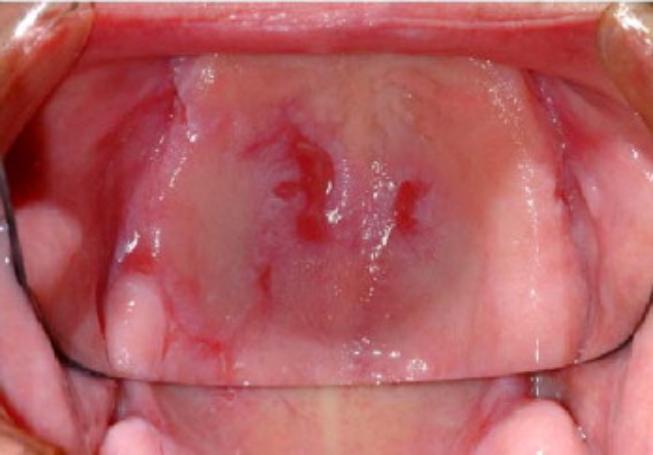
What are the causes of Linear IgA Disease?
Linear IgA disease is usually idiopathic i.e. it arises spontaneously. However, it sometimes follows infection and is rarely caused by drug allergy.
Vancomycin is the most frequently associated drug, although diclofenac, captopril, co trimoxazole, amiodarone, ciclosporin, glibencamide, lithium, penicillin, cefamandole, phenytoin, sodium hypochlorite and somatostatin have been implicated in case reports. Drug-induced disease resolves with withdrawal of the offending agent.
Linear IgA disease has also been rarely associated with lymphoma, haematological conditions, rheumatological conditions, ulcerative colitis and solid tumours.
How is it diagnosed?
Linear IgA disease is a sub-epidermal blistering disorder. This means that a skin biopsy reports blistering just under the epidermis as opposed to some blistering disorders that result in blistering within the epidermis, such as pemphigus.
A special skin biopsy antibody test, direct immuno-fluorescence, reveals the immunoglobulin IgA along the basement membrane of the epidermis in a linear pattern.
Sometimes, these IgA antibodies can be detected by a blood test (indirect immuno fluorescence). Research indicates the antibodies are directed against various basement membrane components (target antigens).
How is it treated?
Most cases have been reported to respond to dapsone or sulfapyridine.
Some clinicians favor the use of sulfapyridine because of the lower incidence of adverse effects. However, some patients’ conditions may not respond to sulfapyridine but do respond to treatment with dapsone. A response may be seen in 48 – 72 hours.
Other reportedly useful medications include prednisolone, sulfamethoxypyridazine, colchicine, dicloxacillin, mycophenolate mofetil & intravenous immunoglobulin.
Drug-induced disease may be treated merely by withdrawal of the offending agent. In cases of linear IgA dermatosis induced by vancomycin, new lesions stop forming within approximately 2 weeks of withdrawal.
Particularly severe cases of drug-induced linear IgA dermatosis respond to a short course of oral corticosteroids.
Although the condition may eventually be cured, many patients require long-term treatment as a reduction in dose of medication results in further blistering.
Differential Diagnosis:
A number of skin conditions have an almost identical appearance. These include:
- Bullous pemphigoid
- Dermatitis herpetiformis
- Lupus erythematosus
- Epidermolysis bullosa acquisita
- Cicatricial Pemphigoid
- Oral Lichen Planus
- Pemphigus
- Chronic Ulcerative Stomatitis
- Discoid Lupus Erythematosus
- Psoriasis
Useful Articles & Websites
New Zealand Dermatological Society
Primary Care Dermatology Society
Australasian College of Dermatologists
J Can Dent Assoc 2000. Clinical Practice. Oral & Maxillofacial Manifestations of Multiple Sclerosis
American Family Physician 2002. Auto-Immune Bullous Dermatoses – A Review
J Am Acad Dermatol 2011. Linear IgA Disease limited to the Oral Mucosa
Stomatological Dis Sci 2017. Dilemmatic Presentation of Linear IgA Disease – A Case Report